A Guide to What You Can and Can’t Dispose of in a Rental Dumpster
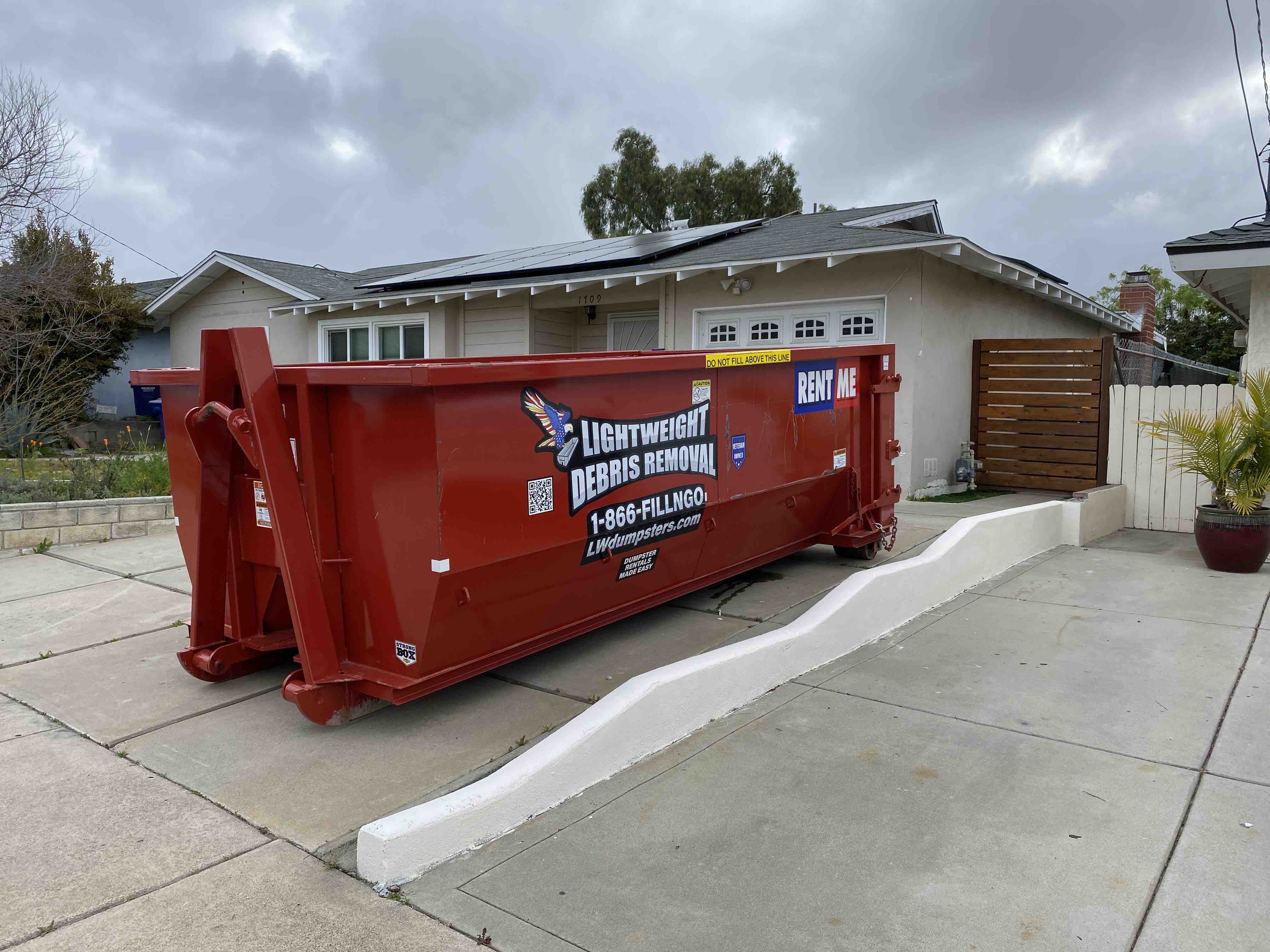
When planning a cleanup or renovation project, renting a dumpster offers a convenient solution for managing waste. But before loading your dumpster, it’s important to know which materials are acceptable and which should be kept out. Many customers are often surprised to learn that not all items can be thrown into a dumpster, and improper disposal can lead to complications or environmental concerns. Understanding these rules before starting your project ensures a smoother and more responsible waste removal process.
At Lightweight Debris Removal, we aim to help customers understand proper disposal methods for a safer, easier cleanup. Our dumpster rental service is designed to simplify the process while maintaining compliance with disposal regulations. Understanding what’s allowed saves time, prevents issues, and keeps your cleanup project on track.
Household Materials That Are Safe to Throw Away
Most general household debris can safely go into a rental dumpster. Furniture, clothing, paper, and other non-hazardous materials from home cleanouts are typically accepted. Old toys, rugs, and boxes that have accumulated over the years are also safe to toss in. Because these items don’t need special treatment, they’re perfect for cleaning or moving projects.
Remodeling waste such as wood, tile, and drywall is also typically permitted. If you are completing a small renovation or remodeling a room, these materials are generally safe to discard. Keeping similar materials together inside the dumpster helps with efficient disposal once it reaches the landfill or recycling facility. Just make sure none of these materials include harmful or toxic substances.
Organic and Green Waste Disposal
Outdoor maintenance projects typically produce yard waste that needs proper disposal. You can usually dispose of branches, grass, and other garden trimmings safely. A dumpster rental makes it easy to handle yard cleanup after trimming or seasonal maintenance. Disposal centers often accept these organic materials for composting or recycling.
Be sure your yard debris doesn’t include soil with chemicals, treated wood, or hazardous substances. Chemically treated waste often requires special processing to prevent contamination. Always separate organic waste from materials that contain chemicals or paint to prevent contamination. Being mindful of what you load will make your dumpster rental experience more efficient and environmentally responsible.
Accepted Construction and Remodeling Waste
Demolition and renovation jobs typically result in large volumes of disposable materials. Materials like concrete, brick, stone, wood, and asphalt shingles are typically acceptable. If you’re remodeling, replacing flooring, or tearing down an old structure, these materials can be easily collected in a dumpster for removal. Responsible debris management ensures site safety and regulatory compliance.
Still, not all building materials are suitable for a dumpster. Asbestos-containing or chemically hazardous construction items should never go into dumpsters. These substances can pose health risks and must be disposed of according to environmental standards. Confirm with your provider which materials are acceptable to avoid problems. Doing so saves time and helps you stay compliant throughout the cleanup.
Prohibited and Restricted Items for Dumpster Use
There are specific items that are off-limits for dumpsters due to environmental, legal, or safety reasons. Hazardous materials such as paint, solvents, automotive fluids, pesticides, and batteries are strictly prohibited. Such items may release toxins into the environment, contaminating water or soil and endangering wildlife. Improper disposal of such items may also result in regulatory penalties or additional handling requirements.
Beyond chemical products, prohibited materials often include electronics, medical waste, and certain appliances. They must be processed through specialized recycling facilities or safe disposal programs. For example, televisions, computers, and refrigerators contain components that must be processed separately. Always ask your dumpster rental provider about safe alternatives for these restricted materials to ensure you remain in compliance with environmental regulations.
Handling Large or Dense Waste Safely
Heavy items like concrete slabs, dirt, or roofing shingles can be disposed of in a rental dumpster, but there are limits to how much weight can be safely transported. Overloading a dumpster with excessively heavy materials can make it unsafe to haul. Evenly spread the heavy items and avoid mixing them with lighter waste to maintain balance. This practice ensures a balanced load and helps prevent damage to property or equipment during dumpsters near me for rent Encinitas CA transport.
Large items such as furniture or non-hazardous appliances are acceptable provided they comply with size and weight restrictions. When items don’t fit easily, breaking them down into parts helps with space efficiency. Smart loading ensures maximum use of space and safer transport. Follow your dumpster company’s loading instructions to guarantee an easy pickup.
Dealing with Items You’re Not Sure About
There are times when you may be uncertain if an item is allowed in a dumpster. Depending on your area, things like electronics or tires may need special handling. Always ask your rental service before disposing of questionable items. They’ll guide you toward safe, compliant options for proper disposal. Doing so prevents fines and ensures responsible waste management.
At Lightweight Debris Removal, we’re committed to helping customers understand what can and cannot be placed in their dumpsters. We encourage customers to communicate openly about the types of waste they plan to dispose of. That way, we can help you stay compliant and select the best container for your needs. Making informed decisions about your waste management leads to a safer and more efficient cleanup experience.
Sustainable Waste Disposal Practices
Responsible waste management goes beyond simply loading items into a dumpster. It also involves understanding how materials are handled once they leave your site. Dividing recyclable and hazardous items is essential for minimizing pollution. Recycling eligible materials helps reduce landfill dependency and encourages sustainability. Planning ahead before dumping waste greatly benefits the planet.
Dumpster rentals make cleanup easier, but it’s important to handle waste responsibly. Adhering to local disposal laws and provider rules ensures compliance. Organizing your trash beforehand prevents contamination and speeds up waste processing. Choosing a dependable provider guarantees ethical, rule-abiding waste management for your community.
Encouraging Smart and Safe Dumpster Use
Knowing what you can and cannot put in a rental dumpster helps you stay compliant and avoid unnecessary issues during your cleanup or renovation project. Properly sorting materials before disposal ensures a more efficient process and contributes to a cleaner environment. Adhering to disposal standards helps you use dumpsters efficiently and protect the environment.
Lightweight Debris Removal takes pride in helping customers handle waste disposal the right way. Our rentals streamline cleanup without compromising on environmental responsibility. We make sure your entire project runs smoothly, with waste handled properly every step of the way.